How Georgia Pollen Season Can Damage Your Gutters (And What to Do About It)
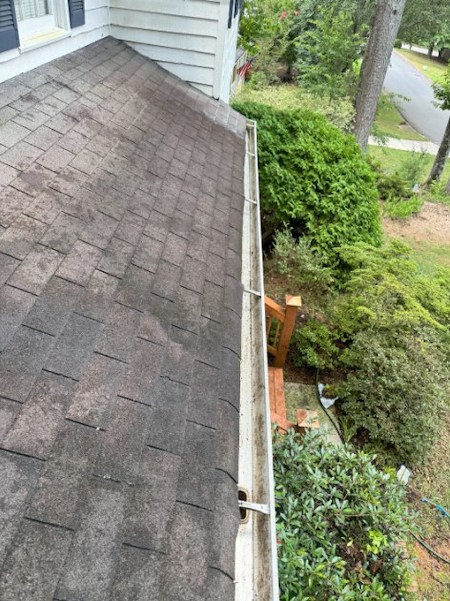
Spring in Lawrenceville brings bright skies, warm breezes, and a heavy burst of pine and oak pollen. When that yellow dust mixes with rain, it turns sticky and collects inside your gutters and downspouts. Left alone, the buildup can slow drainage, force water to overflow, and damage trim, soffits, and foundations. This is why many Gwinnett County homeowners schedule professional gutter cleaning before and after peak pollen weeks.
Why Georgia Pollen Overwhelms Gutters in Spring
Georgia's trees release massive amounts of pollen from late March into May, with a frequent peak in April. On dry days the dust settles everywhere, but storms in the afternoon wash it toward your roofline. Shingle grit, pine needles, and seed pods bind to the pollen, creating a dense layer that traps more debris. Pollen acts like a sponge that holds water against your roof edge, which keeps your gutters wet long after a storm ends.
In parts of Lawrenceville like Collins Hill, Grayson, and near Downtown, mature trees shade many homes. That shade slows drying. What looks like a thin film turns into a sludge that sits in the troughs and elbows. Over time, that sludge hardens and narrows the channel, which is when overflow and staining begin.
The Hidden Ways Pollen Clogs Create Water Damage
Slow, hidden problems often start with a little spill at the corners. Once pollen plugs a section, water finds other paths. It may back up under shingles, leak behind fascia, or pour straight over the lip onto your beds and walkways. Downspouts blocked by pollen slurry can force water behind your siding, and that moisture invites mold and wood rot.
Ground-level impact is just as serious. Overflow near your foundation increases the risk of soil washout and settling. In hilly areas outside Sugarloaf Parkway or along Bethesda Park Drive, runoff can carve channels in mulch and carry sediment into drains. You may also see cloudy streaks on brick or stucco where mineral-heavy water dries after each storm.
Lawrenceville Weather Patterns That Make Clogs Worse
Our area sees quick swings from dry mornings to pop-up thunderstorms in the afternoon. That timing is rough on gutters. Dry hours drop pollen onto the roof. Rain then sweeps it into the troughs all at once. Storm bursts also push twigs and seed husks into the same spots, which wedge inside downspout elbows.
Summer brings heavier downpours, especially around Suwanee and Dacula, that hit already narrowed channels. By fall, leaves stack on top of spring sludge and create a tight cap. The result is a year-round bottleneck that only gets tighter without service.
Signs Your Gutters Are Struggling After Pollen Season
Watch for these common clues around Lawrenceville homes once the yellow dust fades:
- Water spilling over the front edge during normal rain
- Dark tiger-striping stains on the face of the gutter
- Splashed soil, exposed roots, or trenches in mulch under eaves
- Damp spots on fascia, soffits, or the tops of window trim
- Downspouts that gurgle, dribble, or leak at seams
- Seams starting to sag near corners and outlet drops
If you notice any of these, it is likely a pollen-driven clog is holding water where it should not. Acting before our next round of strong summer storms reduces the chance of interior leaks and exterior wood damage.
How Pros Fix Pollen-Driven Gutter And Downspout Blockages
Good service is more than a quick scoop. Trained techs focus on complete flow from shingle edge to splash block, then verify it under water. Here is what a thorough visit typically includes, without asking you to climb a ladder or handle debris:
- Inspection of roofline, hangers, outlets, and every downspout path
- Safe removal of pollen sludge, seed pods, pine needles, and grit
- Clearing elbows and underground leaders with the right tools
- Water testing to confirm uniform flow at each outlet
- Photos or notes that show problem areas and recommended follow-up
Because pollen binds to shingle grit, corners and inside miters often need extra attention. Elbows at the base of the downspout, especially where landscaping turns the pipe underground, are also frequent choke points in neighborhoods like Five Forks and near Tribble Mill Park.
Local insight: Georgia pine pollen is waxy, and when it mixes with gritty roof runoff it can set up like paste inside elbows. Combine that with a fast afternoon thunderstorm and you get a solid plug that will not clear on its own. Let trained technicians handle the height and the mess.
How Often Lawrenceville Homes Should Schedule Service
Timing varies by tree cover and roof shape, but many local homes benefit from two cleanings around pollen season and a third in late fall. Houses under tall pines or oaks may need more frequent checks. Roofs with multiple valleys, dormers, or long runs tend to collect extra debris where water changes direction.
Regular, professional gutter cleaning is one of the simplest ways to protect your home in Lawrenceville. It supports healthy fascia, paint, and siding, and it helps keep water away from slabs and crawlspaces. Building a routine around our spring pollen surge and leaf drop in November keeps drainage consistent.
Why Choose Manny's Gutter Service, LLC For Gutter Cleaning In Lawrenceville, GA
Manny's Gutter Service, LLC focuses on local conditions, including heavy spring pollen and fast summer downpours. Our team clears every run, tests each downspout, and documents the results so you know your system is ready for the next storm. If you want a deeper dive on care basics, you can review our short guide to gutter cleaning tips to understand how pollen and debris affect flow through the season.
Many homeowners find it helpful to start at the source and learn about gutter cleaning in Lawrenceville, GA as part of overall exterior upkeep, then schedule service before April peaks or after a major storm cell passes. That way your gutters are prepared when tree pollen is at its worst and when rainfall is most intense.
The Cost of Waiting vs. The Value of a Clean System
While exact service needs vary by home size, roofline, and tree coverage, the risks of waiting are clear. Overflow can stain siding and fascia. Trapped water can rust fasteners and pull gutters out of alignment. Clogs at elbows can freeze into place after a rare cold snap, splitting seams that later leak during summer storms. Preventing these issues is faster than repairing them after months of slow damage.
Clear gutters also help with curb appeal. Clean lines stay bright longer because dirty runoff does not streak the face. Landscaping holds up better when downspouts move water away from beds and walkways. In tighter lots near Downtown Lawrenceville, good drainage also helps keep sidewalks drier and less slippery after a storm.
Downspout Blockage: Why It Happens and What Pros Look For
Most pollen problems settle at the bottom of the system. The elbow at the base of a downspout is the narrowest point and it turns the flow, so heavy pollen and grit collect there first. If you have underground drains, that first turn can pack tight. Pros check every transition, run water to confirm movement, and watch the discharge point to make sure the line is clear end to end.
They also watch for splash-back at the top of the spout. If the outlet in the gutter has a small opening or a crushed screen, it can behave like a cork. Once that clears and the elbow is open, the whole run often springs back to full flow.
Neighborhood Examples Around Lawrenceville
Homes under longleaf pines near Grayson Highway see heavy yellow film that piles up in troughs during April. Roofs shaded by mature oaks near Collins Hill often stay damp, which helps pollen bind to shingle grit and form a paste. Newer subdivisions with longer gutter runs, like those off Riverside Parkway, can push a lot of debris to a single outlet where it compacts quickly after a storm.
Each setup is a little different, which is why a careful inspection and water test are part of every professional visit. That way, your system is tuned to your roof design, not just cleared at the top.
What You Gain When Your Gutters Flow
Once pollen sludge is out and downspouts are clear, water moves quietly and disappears where it should. You reduce the chance of peeling paint, swollen trim, and stained driveways. Beds hold their mulch, and you get fewer puddles next to the foundation after a heavy cell passes through Lawrenceville late in the day. Clean channels also help your gutters last longer because trapped moisture is not sitting against seams and fasteners.
Be Ready Before the Next Storm
Pollen season is predictable, but the first strong storm after a dry spell can still surprise you. If you want a simple plan that keeps water away from your house, schedule a visit with Manny's Gutter Service, LLC. Our team is ready to clear the pollen load, flush every downspout, and confirm smooth flow before the next line of storms arrives.
To get started, book a convenient time for schedule gutter cleaning, or call us at 404-786-6014 to talk through your home's tree cover and roofline. We will make sure your gutters are ready for Georgia's peak pollen and summer rain, then follow up after the leaves fall so your system stays reliable all year.